
Something extraordinary is unfolding

Limited time offer count down timer
Blog / Massapequa INFINITI Dealer

What to Do When Your INFINITI Check Engine Light Flashes

Check Engine Light

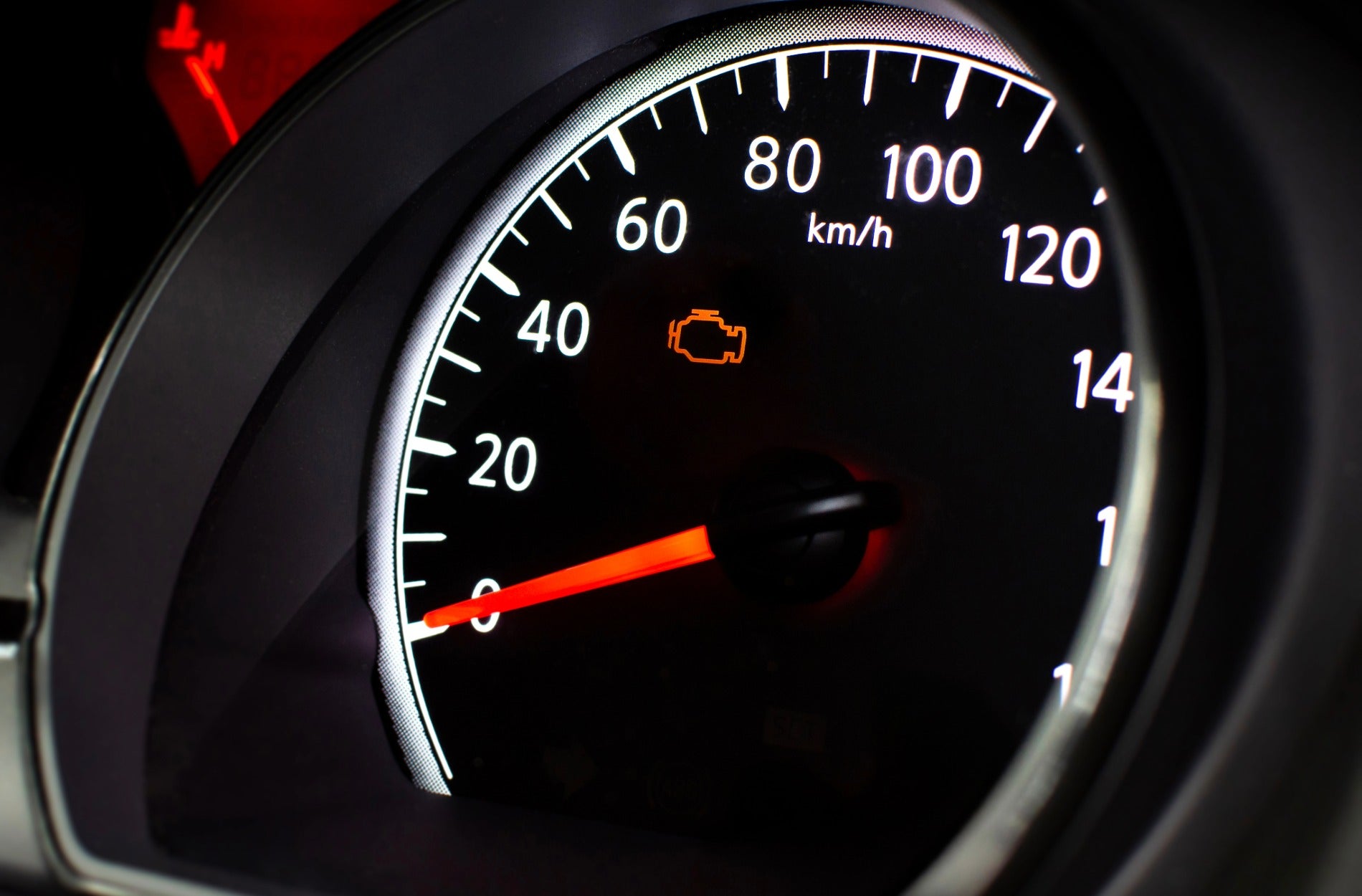
Your check engine light is one of those dashboard lights you hope to never see. When it does come on, especially when it starts blinking, it can make you feel uneasy pretty fast. It’s not always clear what it means, and that mystery alone often leads drivers to ignore it or shrug it off. But here's the thing: that little light isn’t trying to scare you. It’s a warning system built to catch problems early before they get worse.

Fall in Massapequa can bring unexpected weather swings, so this is a smart time to keep a close eye on how your vehicle is running. The check engine light isn't something to leave for later. It can signal bigger issues in the background that may not be obvious right away. Whether you’re heading down Merrick Road or taking a weekend drive out to Montauk, it’s always better to catch and fix problems early so you’re not stuck on the side of the road.

What Causes the INFINITI Check Engine Light to Flash?

A flashing check engine light usually means something a bit more serious compared to a steady one. It’s trying to warn you that your engine isn’t happy and should be looked at soon. Letting it go for too long could lead to engine damage and a much bigger repair bill.

Here are some of the common reasons your INFINITI’s check engine light may flash:

  • Loose or damaged gas cap: This might sound minor, but if the gas cap is loose or cracked, it can throw off the pressure in your fuel system. The light will come on to let you know there’s a leak or something’s off.
  • Faulty oxygen sensors: These sensors keep track of how much oxygen is in the exhaust. If they’re not working right, your car might burn more fuel than needed or run roughly.
  • Worn spark plugs or ignition coils: Spark plugs keep your engine firing correctly. If one’s failing, your engine might misfire, and that’s something your check engine light will flash for.
  • Catalytic converter trouble: If this part fails, it can’t clean up exhaust gases properly. It's a more expensive issue and usually tied to buildup over time.
  • Mass airflow sensor issues: This sensor measures the air coming into your engine so it can mix with fuel just right. If it’s malfunctioning, it can cause poor fuel economy or stalling.

Let’s say you just filled up at the gas station on Sunrise Highway, then noticed the light start blinking. The first thing to check is the gas cap. If that’s not it, the next best move is to reduce how much you drive and plan for a checkup soon. Driving with a flashing light, especially with performance issues like rough idling or poor acceleration, can lead to more damage the longer it’s untreated.

Immediate Steps to Take When the Check Engine Light Flashes

Once that check engine light starts blinking, don’t panic, but don’t ignore it either. Here’s what you should do next:

  • Pull over safely when possible: If you notice the light blinking and your car feels different, like it’s shaking, struggling to speed up, or running rough, it’s best to pull off the road and rest the engine before continuing.
  • Tighten the gas cap: Believe it or not, this simple fix can make the light go away if the cap wasn’t secured properly after a recent fill-up. Twist it until it clicks and then see if the light turns off after a short drive.
  • Take note of any other symptoms: Is the engine noisy? Does it smell strange? Are you burning through gas faster? All of these clues help service techs pinpoint the issue faster.
  • Drive gently or avoid driving until it’s checked: If your light is blinking, and especially if you feel a drop in performance, keep driving to a minimum. Avoid hard stops, fast acceleration, or high speeds.
  • Schedule service as soon as possible: The longer you wait, the more strain you could be putting on your engine. Getting a fast diagnostic makes a big difference.

You don’t have to figure out exactly what’s behind the warning, but these quick steps can help limit damage until the professionals handle it. Whether you’re commuting across Long Island or heading upstate, dealing with warning signs early can save you from being stuck or hit with preventable repairs later.

Diagnostic Tools and Professional Help

When your check engine light flashes, it can feel like playing a guessing game. But instead of pulling random answers, trained technicians use diagnostic tools to get accurate results fast. These scanners plug into your car’s onboard diagnostics system and pull up error codes that point directly to what’s going wrong. One code might flag a misfire in a specific cylinder, while another could show a problem with your exhaust sensor. Either way, it takes the mystery out of the situation.

Trying to figure it out without the right tools isn't practical and can lead to delays or worse issues down the line. Even if your car seems fine one day and the light disappears, the underlying cause may still be sitting there waiting to come back. Some people think resets solve the problem, but that light is just a symptom. What matters is finding out why it came on in the first place.

Professional technicians don’t just read the codes. They interpret them and combine that info with visual inspections and other signs your car is showing, like weird smells, uneven power, or decreased fuel economy. Quick access to the right equipment and technical knowledge makes a big difference in fixing the issue correctly the first time.

Common Solutions for Check Engine Light Issues

Once the diagnosis is done, the solution depends on the root issue. A blinking check engine light usually points to something that affects how the combustion process is performing. That means it may lead to misfires or emissions trouble if ignored. Here are some common repairs drivers face when a flashing light appears:

  • Replacing faulty spark plugs or ignition coils
  • Repairing or replacing oxygen sensors
  • Replacing a clogged or failing catalytic converter
  • Fixing vacuum leaks or damaged hoses
  • Replacing a damaged mass airflow sensor
  • Adjusting or reconnecting faulty wiring or electrical connectors

Even a small issue like a cracked hose or corroded plug can set off the system. These components work closely together, and when one fails, others often take more strain. For example, misfiring spark plugs might cause raw fuel to enter the exhaust system, damaging the catalytic converter over time. That escalates one affordable fix into a costly and labor-heavy repair.

Once repairs are completed by a trained technician, they’ll reset the system and run further checks to make sure nothing else is going on. Many drivers notice better performance, smoother idling, and improved gas mileage once their light-related issue is resolved.

Keeping Your INFINITI in Top Shape to Prevent Future Issues

A flashing check engine light usually means the car is asking for help. But there are ways to lower the chance of seeing it again too soon. Staying on top of regular maintenance is one of the best things you can do as a driver.

Here’s how to help prevent surprise dashboard lights from interrupting your routine:

  • Stick to the maintenance schedule in your owner’s manual
  • Get timely oil changes and filter replacements
  • Replace spark plugs before they wear out
  • Keep an eye on fluid levels and oil condition
  • Inspect hoses, belts, and wiring during seasonal checkups
  • Use the right fuel type for your vehicle

Seasonal habits matter too. For example, before taking longer drives in the fall, have your engine internals and emission system checked. Fluctuating temperatures in Massapequa can increase stress on vehicle systems. Pair that with shorter daylight hours and more potential for wet roads, and you’ve got more reasons to prepare your car ahead of time.

Even something like skipping a routine inspection can cause warning signs to get missed. A small leak or loose connector might not affect daily driving at first, but over time, they can cause a chain reaction resulting in the dreaded flashing light.

Why Local Expertise Makes a Difference

A flashing check engine light isn’t the kind of problem to put off, but the fix doesn’t have to be stressful either. Working with trained professionals gives your car the kind of detailed attention it needs to find not just any answer, but the right one.

Having a team nearby that understands how INFINITI vehicles are built and how they handle Massapequa roads can get you accurate diagnostics and quality repairs faster. From a loose sensor wire to a more complex emissions issue, pinpointing the cause and addressing it early keeps your car road-ready and gives you peace of mind.

In the end, it’s about saving time, stress, and money by heading off problems before they turn into bigger ones. Getting help from experts who are familiar with your make and model is one of the smartest ways to deal with issues like a flashing check engine light and to make sure your vehicle stays dependable down the road.

When you're ready to explore more about keeping your vehicle in top shape, browse our selection of INFINITI cars for sale to find a model that fits your lifestyle and needs. The team at INFINITI City of Massapequa understands both the road conditions around Massapequa and the unique qualities of INFINITI vehicles, making us your go-to experts. With the right guidance and vehicle maintenance, you can enjoy a smoother, more dependable ride.
Posted in:

Related Posts

INFINITI

Common Cold Weather Wear Issues in Pre-Owned INFINITI Cars

Cold mornings in Massapequa, New York, have a real way of showing what your car’s been through. If you’ve been driving one of the used INFINITI cars in our area, that crisp winter air can bring out signs that go unnoticed during warmer months. From slower starts to strange noises under the hood, this season tends to test how well everything’s holding up. When a vehicle already has a few years and miles behind it, the cold has a way of spotlighting wear and tear that might have been quiet last fall. more Weather like this can bring out a pattern. Maybe your car’s a little hesitant to turn over first thing in the morning. Or the tires suddenly feel soft, and the heat inside isn’t quite cutting through like it used to. These things might not seem big on their own, but they usually don’t show up all at once. Staying aware of small changes can help stop them from turning into bigger problems when roads are icy, and reliability really matters. Battery and Electrical System Problems Cold temperatures slow down chemical reactions inside your battery, and that drop in performance can be enough to leave you stuck. We see this more often in older vehicles with aging batteries that had just enough charge in the fall but now can’t keep up in the cold. If your car's slow to crank or needs multiple tries to start, temperature could be affecting the charge. Electrical gremlins like flickering lights or slow power windows often come from weak connections or corrosion that has built up over time. Watch for dim headlights, sluggish wipers, or a radio that cuts in and out. Those are minor signs that could point to bigger issues under the hood. Cold can highlight worn wires that already had small cracks or loose connections. When that happens, you might feel like your whole system is working harder than usual, especially right after the vehicle sits overnight. Tire Pressure and Tread Wear Tires shrink in the cold. Air pressure drops naturally during low temperatures, which is something we see every year as winter rolls in. A drop in pressure makes tires softer, and that means more wear, less control, and increased risk of sliding, even on dry roads. Older tires lose tread depth over time, and once the snow or ice hits, there’s less grip to keep you steady. If you've noticed your used INFINITI pulling slightly or warning lights popping up on your dashboard, your tires might need more than just air. Watch how your car behaves when turning, braking, or going over rough patches. Driving should still feel smooth, and if it doesn’t, your tires might be trying to tell you they’re worn unevenly or aren’t keeping pressure like they used to. Engine and Oil System Strain Engines aren’t big fans of cold starts. Oil thickens in low temperatures, and in pre-owned vehicles with older engines, that thicker oil doesn’t flow as quickly when you turn the key. This slow lubrication leads to more wear during start-up, which puts added pressure on older motors. Watch for ticking, delayed throttle response, or strange smells, especially if it smells warm or oily after only a few minutes of driving. Rubber gaskets or old metal parts can shift, crack, or leak more easily during frigid weather. One overlooked sign is poor fuel response when you first leave the driveway. If the engine hesitates or feels sluggish, winter temperatures might be turning a small underlying issue into something more noticeable. Suspension and Undercarriage Wear When roads get layered in salt, snow, or potholes, your suspension usually feels it first. In used vehicles, older shocks and struts already have some wear, and winter conditions push those limits. Snow and melted salt can lead to slow rusting on undercarriage components like control arms, joints, and bushings. If your vehicle feels more bouncy, wobbly, or like it’s swaying more during turns, your suspension may need attention. That rough feeling underfoot or loud clunking going over a bump isn’t just noise, it’s often the sound of parts grinding or shifting. Massapequa roads don’t always get plowed right away, which means your car faces more uneven terrain. If things feel a bit off, it might not be your imagination. Older parts often get louder and more reactive in tough weather. Heater and Defroster Limitations Comfort on icy mornings often comes down to one thing, heat. And when that heat starts to drop, it’s usually not just about being chilly. It could mean there's wear in the airflow or temperature control systems that’s becoming more noticeable. Signs like weak airflow, only partially warm air, or windows fogging up quickly can all point to a heater that’s not pulling its weight. Heater cores in older vehicles can clog or wear down, and any slipping belts could affect how well warm air moves through the cabin. Look for slow defrost speeds or windows that fog back up right after clearing. That can make driving harder and even unsafe. When it’s 30 degrees and your windshield’s taking forever to clear, even short drives become frustrating. If your defroster isn’t clearing things like it used to, or the cabin doesn’t warm evenly, the system might need a closer look. Stay Ahead of Cold-Weather Trouble Used vehicles that have already lived through a few New York winters often show patterns of wear that new cars don’t. The little stuff, like sluggish cranks, uneven tire feel, or slow cabin heat, can be a heads-up that something’s starting to wear down. Keep track of battery behavior, especially if you’re needing more time to start in the morning. Watch tire pressure and tread as things cool off. It’s easy to overlook until traction starts slipping at the worst moment. Monitor cabin comfort and engine response. A small change now is easier to address before snow or freezing rain makes it harder to deal with. INFINITI City of Massapequa provides certified INFINITI service and original parts to address winter-related wear and keep pre-owned vehicles in top running condition. The dealership carefully inspects each used INFINITI model for safety and reliability before offering it for sale. Stay Confident in Every Season Winter has a way of putting older systems to the test. The better you stay in tune with how your INFINITI drives, feels, and responds, the more confident you’ll be behind the wheel through the rest of the cold season. Small signs of trouble now could mean more stability down the road if you catch them early enough. If you're noticing winter taking its toll on your vehicle, it might be time to consider an upgrade. At INFINITI City of Massapequa, we offer used INFINITI cars that combine reliability and style—perfect for enduring those cold Massapequa mornings. Our selection is thoroughly inspected for peak performance in winter conditions, ensuring you drive with confidence all season long. Don't wait until winter wears you down; reach out today and find your next dependable ride.

INFINITI

Why Used INFINITI Cars Struggle With Cold Morning Starts

Cold mornings in Massapequa can be rough enough without your car giving you a hard time. When temperatures dip into the 20s or lower, many drivers start noticing their engines taking longer to turn over. If you’ve been having trouble starting your car in the morning, especially if you drive one of our used INFINITI cars, you're not the only one. more Cold starts can feel frustrating, especially when you're rushing to work or trying to get the kids to school on time. What’s going on under the hood often comes down to how winter affects your engine, battery, and other working parts. For older cars, those effects show up more clearly. We'll cover why this happens, what parts are most impacted, and how to know when it’s time to have your car looked at before things get worse. Why Cold Weather Impacts Engine Performance When the temperature drops, your car doesn’t behave the same way. Fluids thicken. Electrical systems slow down. Components that were already a little worn out begin to show their age. Engine oil becomes thicker in the cold, which makes it harder for engine parts to move properly. The thicker oil takes longer to circulate, adding strain when you're starting the car. Batteries lose power at lower temperatures. In cold weather, the chemical process inside the battery slows down, meaning you don’t get as strong of a charge. That weaker charge can struggle to turn over the engine. Older parts such as belts and hoses become stiffer. That extra stiffness makes them less effective, even for simple processes like fuel flow or air circulation. We see this all the time during long New York winters. The colder it gets, the longer everything takes to get going. Used cars with a few years behind them feel it the most because their systems don’t have the same strength or speed they once did. Common Parts That Struggle During Winter Starts There are a few key systems that tend to suffer the most during a cold start. When those parts get sluggish, the whole process of starting your car can feel like a chore. Fuel injectors can clog or become sluggish when there’s build-up or wear. In cold weather, they may not deliver the fuel mix at the right rate, leading to rough starts or uneven idling. Spark plugs in used vehicles may have weak or dirty contacts. If they don’t fire cleanly, your engine fails to turn over the way it should. Cold makes the problem worse by forcing the ignition system to work harder. Sensors and electrical modules often take longer to respond in freezing temps. Systems that depend on precise readings can send delayed or faulty signals, throwing off timing and performance. Each of these components plays a role in how smoothly your engine starts. If one or more isn’t doing its job, especially in cold weather, you’ll start to notice more frequent struggles just getting out of the driveway. Why Used INFINITI Cars Show These Issues More Often Used INFINITI cars are built to last, but age and regular wear build up over time. That’s especially true if they lived a few winters already. Parts in used models have already been through years of starts, stops, and seasonal changes. Over time, seals, wires, and connectors lose some of their reliability. If there were any skipped oil changes or postponed services during the car's earlier years, those small delays can add up now. A slightly dirty fuel injector is much worse in freezing weather than it might be on a warm spring day. An older battery or worn alternator may not be up to the job. If the fuel system had pressure issues before, low temperatures only make those problems clearer. Our website details genuine INFINITI parts and accessories and highlights a transparent, respectful experience. As a family-owned business, INFINITI City of Massapequa stands out by offering vehicles that have been thoroughly inspected for quality and reliability, so every driver knows what to expect when winter sets in. Sometimes we see people wonder why their car worked fine last winter but suddenly won’t start now. Often, it's a sign that certain systems have reached their tipping point, and cold weather just makes the issue easier to spot. Signs It’s Time to Get Your Cold Start Issues Checked It’s tempting to brush off engine trouble as just another winter struggle. After all, most cars take a little longer to wake up when it’s icy out. But if you're noticing consistent hard starts day after day, it might be time to look a little closer. If your car is requiring multiple attempts to start or you're hearing extra clicking from the starter, those are signs worth checking out. Dashboard lights that flicker or stay on longer than usual, especially ones tied to the battery or engine, can point to deeper problems. Unusual smells, louder-than-normal engine noise, or rough idling after you finally get the car running may mean a part is wearing out. Quick fixes can sometimes hold things over for a few days, but they don’t really solve the issue. Cold temperatures often push already weak parts past their limits. Having an INFINITI expert check your vehicle, especially if you rely on your car each day in Massapequa, can help reduce the chance of being stranded. Prepare Smarter for Winter Starts Knowing how cold mornings affect your car helps take the stress out of dealing with them. Winter doesn’t have to mean frustrating starts every day. It just means understanding how your vehicle responds when temperatures stay low. Checking on your car early in the season and listening for changes in sound, feel, or performance can save time and trouble. Battery performance, starter behavior, and slow throttle response are all early signs things aren’t quite right. Don’t wait for a full breakdown. When something begins to feel off, especially during cold starts, it usually means something’s working harder than it should. INFINITI City of Massapequa offers certified service by trained technicians who know how winter affects used INFINITI cars in our area. Drivers can count on genuine parts for any needed maintenance, supporting safer and more reliable winter driving. Keep Your INFINITI Moving on Cold Mornings Keeping your used INFINITI healthy in the winter starts with paying attention. Those small changes on the first freezing days might not seem like much, but they’re often the early hints of a bigger issue down the line. Catching those signs now can help your car stay smooth and dependable through the rest of the season. Winter driving in Massapequa can be a challenge, but with the right vehicle, you can tackle the cold mornings with ease. Is your current car struggling in the chilly weather? It might be time to explore our reliable selection of used INFINITI cars at INFINITI City of Massapequa. Our vehicles are thoroughly inspected to ensure a smooth ride, even in harsh winter conditions. Don't wait for winter troubles to pile up—reach out to us today and secure a dependable ride for the colder months ahead.

INFINITI

How to Tell If Your INFINITI Needs a Winter Tire Change

January in Massapequa means slushy streets, frozen parking lots, and more than a few icy morning drives. Around this time of year, it gets harder to ignore how your car handles when the roads are slick and cold. If you’ve been wondering whether your INFINITI might need winter tires, you’re not alone. We hear from drivers every season who aren’t sure if their tires are still holding up or if they’re driving with less traction than they should. more If you drive one of the used INFINITI cars we often see in our area, small performance changes can feel bigger when the ground is frozen. A little slip at a stop sign or a longer brake distance during a light snow is usually the first clue. Winter tires aren’t just about snow. They’re built to hold up against cold pavement, freezing rain, and low temperatures that make regular tires stiff. As we settle into winter, now’s the time to pay attention to what your tires are telling you. How Cold Affects Tire Performance Cold weather changes how rubber behaves. Regular tires, especially those designed for warmer months or daily all-purpose use, tend to firm up when it drops below 40 degrees. That stiffness reduces how well they grip the road. When tires harden, the contact area with the road gets smaller, which increases sliding or spinning during starts and stops. On icy or snow-covered streets, that slickness gets worse. Even when roads look dry, cold temps can lead to hidden frost or patches of black ice. Steering can feel a little looser, and braking takes longer. This isn’t always the driver’s fault. Sometimes, your tires just aren’t designed for the cold. Winter tires are made with softer rubber compounds that stay flexible in the cold. They grip better when the temperature drops and often come with deeper tread patterns that push snow or slush aside. Without them, even a light dusting can mess with your control. Warning Signs Your Tires Aren’t Right for Winter Your car often gives you small clues before things become a bigger problem. Tires are no different. If something doesn’t feel right while driving after a recent drop in temperature, your tires may need a closer look. If you notice your car sliding just a bit when starting, stopping, or turning, that could mean your tires are losing grip. Step out and check the tire surface. Do you see shallow tread, cracked sidewalls, or uneven wear? Those features don’t do well on wet winter roads. Pay attention to new patterns of vibration while driving or if you hear a droning or humming sound from below. That can mean your tread isn’t connecting cleanly with the ground anymore. We’re not just talking about a bad set of tires. These signs are your warning flags that your car might not be safe to drive when things really freeze over. Don’t wait for a full skid or loss of control before taking action. When Used INFINITI Cars May Show Trouble Sooner Used INFINITI cars in Massapequa usually have a few years of road experience behind them. If they’ve been driven in different seasons, it’s likely the tires have seen a mix of conditions. That mileage builds up, and winter tends to bring out the weak spots. Tires on used cars may look fine at first glance but can be worn down just enough to make a difference in colder weather. Suspension parts like shocks and struts might not handle every bump or slide the same way they once did, which puts more pressure on your tires to do the work. If your tires already have low tread and colder temperatures are in the forecast, don’t expect strong traction during icy morning drives or slushy stops. If your car has trouble accelerating on a slight hill or the rear wheels feel like they aren’t following smoothly through a turn, the rubber might be worn or hardened. That’s even more common if they’ve been on the car for multiple seasons. How to Check for Tire Safety and Winter Readiness Sometimes you don’t need a full inspection to sense something is off. But once you do start checking, there are a few simple areas that often show a tire’s condition clearly during the winter months. Tread depth matters most. Shallower grooves mean less grip. If the pattern looks faded or uneven, it’s not likely to handle wet pavement well. Sidewalls should feel firm but not brittle. Any cracks or bulges can be signs the rubber has aged or weakened, especially after exposure to freezing temps. Check tire pressure weekly. Air contracts in colder weather, so tires often run underinflated in the winter, which lowers traction and can cause slow damage over time. You might also feel changes while driving. If you notice the car pulling slightly to one side or needing more throttle to keep a smooth pace, the tire performance may be slipping. If you find yourself second-guessing whether it’s safe to drive in light snow, that's a good reason to get the tires checked professionally. More Than Tires: What Makes INFINITI Safer for Winter Roads INFINITI City of Massapequa offers certified service to help maintain traction and safety through the coldest months, including checking tire condition and supplying genuine INFINITI parts. Many of our used INFINITI cars are inspected to meet high standards before being listed, so buyers get an extra measure of confidence during rough winter weather. If you need specific winter tire recommendations, our service center and parts department are ready with knowledge about what works best for your model. Making sure your car is truly winter-ready starts with understanding what your tires can do and knowing who to ask for help when questions come up. Stay Confident on Cold Massapequa Roads In New York, January is far from the end of winter. February often brings bitter temperatures and unexpected flurries, especially near the coast. That means tire issues have time to grow if they're ignored. Staying alert to signs like reduced handling or visible damage helps you catch problems early. Winter driving in Massapequa can be unpredictable, but how your car responds doesn't have to be. The more you understand your tires' condition, the better you can stay in control on cold mornings or icy afternoons. It doesn’t take a storm to notice handling problems. Even a routine trip to work can uncover poor traction or uneven driving feel. Tires that match the season keep your INFINITI smoother, safer, and ready for the roads ahead. Cold mornings in Massapequa, NY, can reveal weaknesses in your car’s traction and handling, especially if your tires have seen a few seasons. Whether you’ve noticed changes in brake response, cornering, or those tricky uphill climbs, now is the perfect time to explore our current selection of used INFINITI cars designed to handle challenging winter roads with confidence. At INFINITI City of Massapequa, we’re here to make sure you stay prepared for whatever the season brings. Call or visit us today for a ride you can rely on when the roads get slick.